

Are Patek Philippe Watches Limited Production by Design ?


Patek Philippe has long stood as a pinnacle in the world of horology, where every timepiece tells a story of precision and heritage. The question of whether Patek Philippe Watches Limited Production is by design dives into the core of what makes this Swiss brand unique. Founded in 1839 by Antoni Patek and Adrien Philippe, the company has maintained family ownership under the Stern family since 1932, allowing it to prioritize quality over quantity.
This deliberate approach ensures that each watch undergoes rigorous processes, from design to assembly. In an industry flooded with mass-produced items, Patek Philippe Watches Limited Production stands out as a calculated strategy to preserve exclusivity. By capping output, the brand not only upholds its standards but also fuels demand among collectors who value rarity.The Patek Philippe Seal, introduced in 2009, certifies that every component meets stringent criteria, far beyond industry norms like the Geneva Seal. This seal applies to the entire watch, including movement, case, and dial, demanding flawless execution. With over 1,000 quality checks per timepiece, production naturally slows down.
Patek Philippe Watches Limited Production by design means that innovation, such as the use of Silinvar in escapements, takes precedence over speed. The company’s Geneva facilities, expanded in 2020 to over 133,000 square meters, blend traditional ateliers with modern tech, yet output remains controlled. This balance keeps the brand’s reputation intact, avoiding the pitfalls of overproduction seen in lesser names.
Table of Contents
ToggleAre Patek Philippe Watches Limited Production by Design?
This is the core of Patek’s scarcity strategy: fewer pieces, deeper finishing, and relentless QC. If you plan to buy or shop Patek Philippe watches, these numbers explain why demand stays ahead of supply.
Heritage-driven production philosophy—quality over volume.
Stern-era independence enables long-term decisions.
Checks per watch slows throughput—by design.
Annual production estimates remain deliberately controlled.
Production Lens: scarcity vs. accessibility
Drag the slider to simulate how “limited production” changes the market temperature. The point isn’t hype — it’s time per movement, hand-finishing density, and the practical limit of skilled labor. This is why Patek Philippe Watches Limited Production keeps waiting lists alive.
Understanding Patek Philippe's Production Strategy
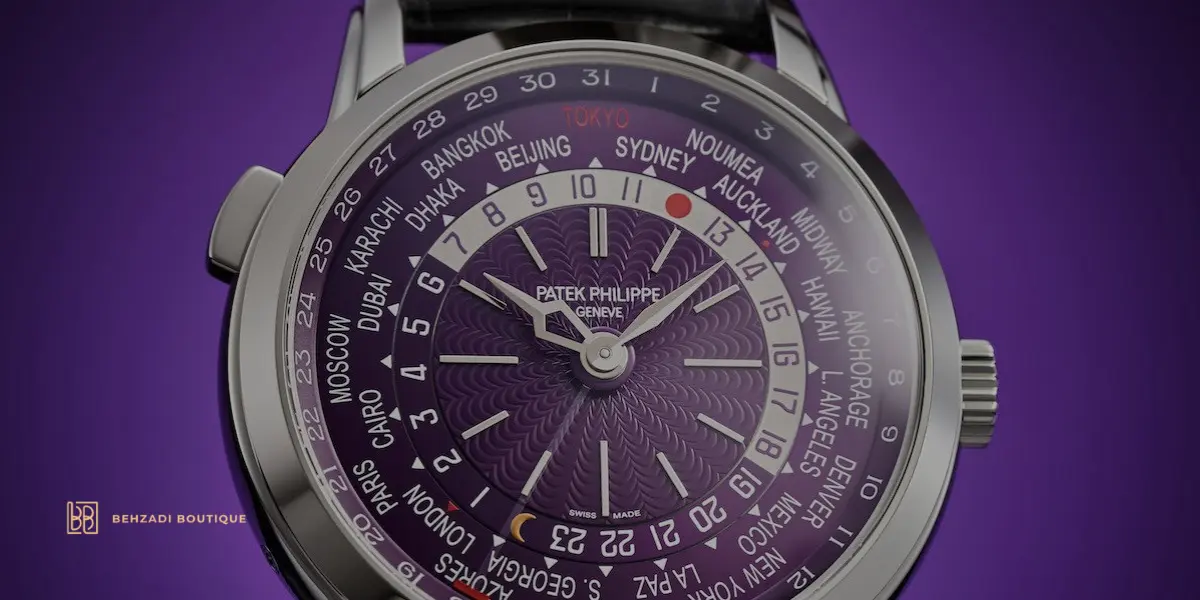
At the heart of Patek Philippe Watches Limited Production lies a philosophy rooted in independence and excellence. As the last independent family-owned Genevan watchmaker, Patek can dictate its pace without shareholder pressures. This freedom translates to focusing on complex complications rather than simple quartz movements. Annually, the brand invests heavily in research, developing in-house calibers that power everything from basic three-hand watches to grand complications.
Patek Philippe Watches Limited Production ensures that each model, like the Calatrava or Nautilus, receives undivided attention. Without this limit, the intricate hand-polishing of bridges and wheels would suffer, diminishing the watch’s longevity and appeal.Critics might argue that limited output is a marketing ploy, but data shows otherwise. The brand’s output has hovered around 60,000 to 70,000 pieces per year for decades, a fraction compared to rivals.
This strategy aligns with Swiss watchmaking traditions, where quality trumps volume. Patek Philippe Watches Limited Production by design protects against market saturation, maintaining high resale values. For instance, vintage models often appreciate due to their scarcity. The company’s commitment to servicing watches indefinitely further enhances this model, as owners know their investment is supported for generations.
Patek Philippe Watches Limited Production Model-by-Model
Compare demand profiles across the most searched families. This helps you decide what to buy, what to shop for on the secondary market, and how scarcity behaves when production is deliberately constrained.
Nautilus (e.g., Ref. 5711)
The benchmark of scarcity psychology. Discontinuations amplify the “limited production by design” narrative.
Aquanaut (e.g., Ref. 5167)
A younger, more wearable entry into the Patek sport universe—still constrained, still hard to get.
Calatrava (e.g., Ref. 5227)
The purest expression of Patek’s finishing discipline—less hype, more horological clarity.
Ref. 5270 (Perpetual Chronograph)
True scarcity isn’t marketing—high complication density physically limits output.
Spotlight
—
—
—
—
Historical Roots of Limited Output
Tracing back to 1839, Patek Philippe began with pocket watches for royalty, setting a tone of exclusivity from the start. Early production was minuscule, with only a few dozen pieces annually, due to manual craftsmanship. By the 20th century, as wristwatches gained popularity, the brand expanded but never abandoned its roots. The Stern acquisition in 1932 reinforced this, with Thierry Stern today echoing his forebears’ vision. Patek Philippe Watches Limited Production evolved as a response to growing demand, ensuring supply never outstrips desire.
Historical records show that during World War II, output dropped further, prioritizing precision instruments over consumer goods.Post-war, the brand introduced icons like the Ref. 1518 perpetual calendar chronograph, produced in just 281 units over 13 years. This scarcity wasn’t accidental; it was designed to build legacy.
Patek Philippe Watches Limited Production by design draws from these roots, where each era’s output reflects economic and artistic contexts. Today, this history informs decisions, like halting popular models to prevent dilution. Understanding these roots reveals why Patek avoids the volume game, focusing instead on timeless pieces.
The Role of Craftsmanship in Limiting Production
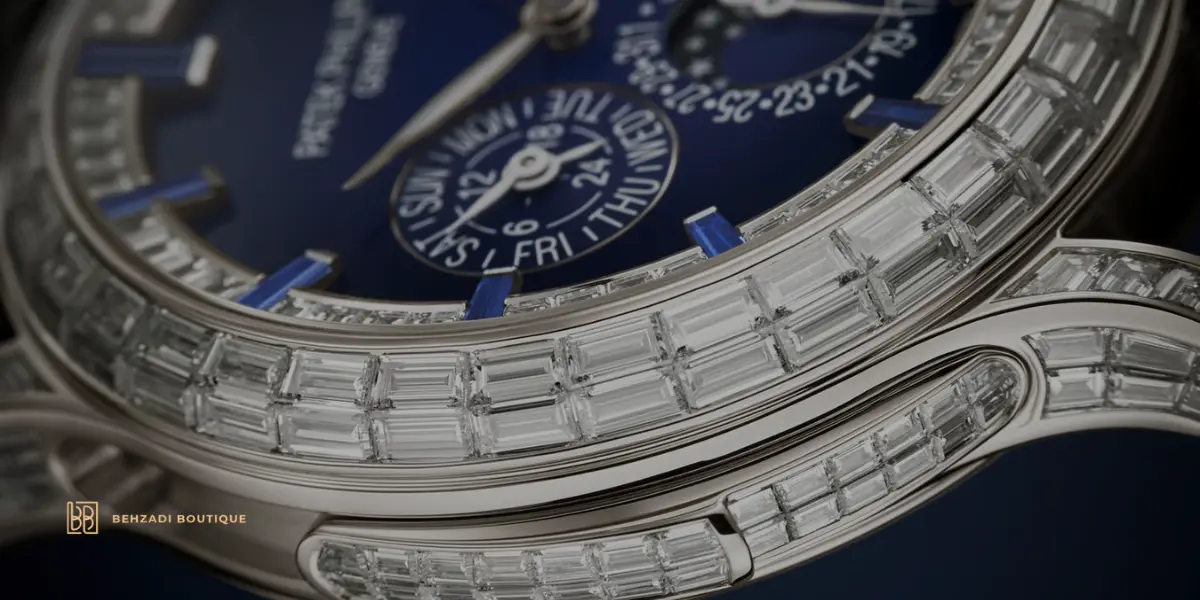
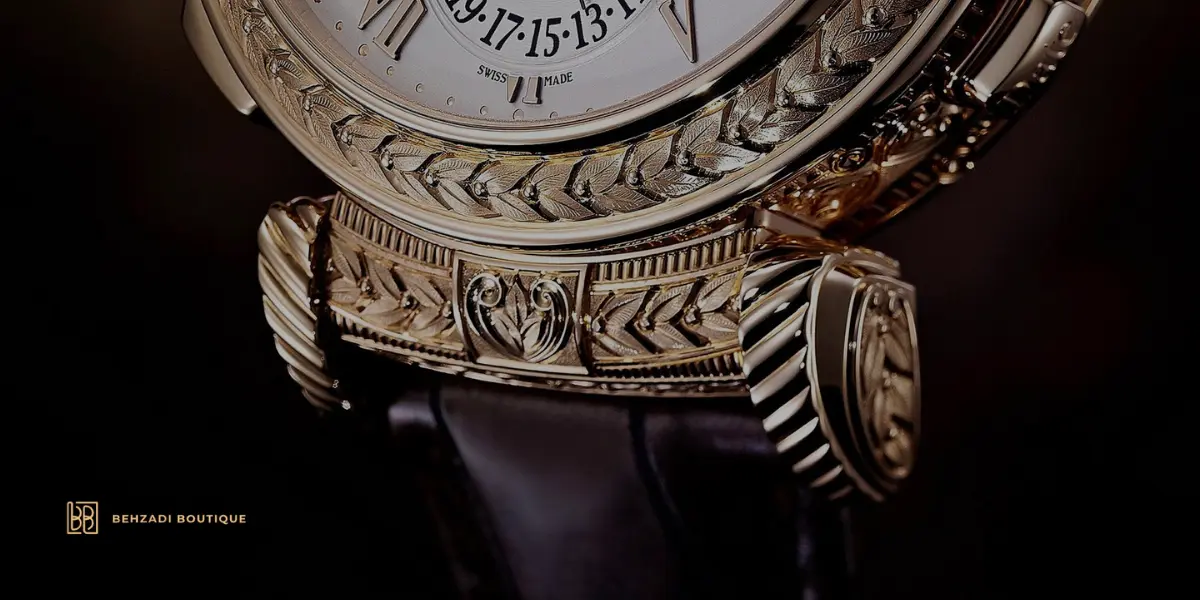
Craftsmanship defines why Patek Philippe Watches Limited Production remains intentional. Every watch involves over 200 operations, many performed by hand. Artisans train for years to master techniques like anglage, where edges are beveled at 45 degrees for light reflection. This labor-intensive process caps daily output per craftsman to mere components. Patek’s ateliers house specialists in enameling and gem-setting, adding layers of complexity.
Without automation dominating, production stays limited, preserving the human touch that machines can’t replicate.Innovation coexists with tradition, but it doesn’t accelerate output. Developments like the Gyromax balance wheel require precise calibration, extending assembly time. Patek Philippe Watches Limited Production by design integrates these elements, ensuring no shortcuts. The result? Watches that function flawlessly for decades, with movements beating at 28,800 vph for accuracy. This craftsmanship not only limits numbers but elevates each piece to art status.
How Patek Philippe Watches Limited Production Works
Limited output is not a slogan. It is a sequence of constraints that start at design and end at final inspection. If you plan to buy or shop Patek Philippe watches, this flow explains where time is deliberately spent.
Cases, dials, and movements are designed together. Decisions here define months of downstream hand work—no shortcuts later.
Components are manufactured, decorated, and assembled in-house. Hand finishing density sets a natural ceiling on volume.
Movements are cased, regulated, and tested repeatedly. Precision targets slow the line—by design.
The Patek Philippe Seal applies to the entire watch. Over 1,000 checks prevent scaling without compromise.
What this means for buyers
Limited production emerges from cumulative constraints. When you buy Patek Philippe watches, availability reflects time invested per piece—not artificial scarcity.
Practical takeaway
Waiting lists persist because throughput cannot be expanded quickly without eroding finishing density. This is why Patek Philippe Watches Limited Production remains durable across market cycles.
Hand-Finishing Techniques
Hand-finishing is a cornerstone of Patek’s limited approach. Techniques like perlage create circular graining on plates, hiding imperfections while enhancing aesthetics. Cotes de Geneve stripes adorn bridges, applied meticulously with wooden tools. Each finish demands hours, explaining why a single movement takes months. Patek Philippe Watches Limited Production relies on these methods to differentiate from mass-market brands. Gem-setting, using invisible techniques for pavé dials, further slows the pace. Mastering these requires apprenticeships lasting up to five years, bottlenecking talent supply.
Info: Patek’s hand-finishing isn’t just decorative; it improves corrosion resistance and reduces friction in movements.
Exclusivity and Waiting Lists
Exclusivity drives Patek Philippe Watches Limited Production, creating waiting lists that span years. Popular models like the Nautilus can have 8-10 year waits for authorized dealers. This isn’t artificial; it’s a byproduct of controlled output. Collectors prize this, as it weeds out flippers. Patek Philippe Watches Limited Production by design fosters loyalty, with VIP clients getting priority. Gray market prices soar, often double retail, underscoring demand.In the middle of this discussion, it’s worth noting that those eager to buy Patek Philippe Watches should build relationships with boutiques early.
Joining a Patek waitlist starts with visiting an authorized dealer. Provide purchase history and express genuine interest. Some require buying less desirable models first. Patek Philippe Watches Limited Production means patience is key; allocations are quarterly. Online applications exist but favor established clients. Success rates vary by region, with Asia seeing higher demand.
Annual Production Numbers Revealed
Patek Philippe produces fewer than 70,000 watches annually, a number confirmed by industry reports. This figure includes all collections, from entry-level Calatravas to high-complication pieces. In 2023, estimates pegged it at around 68,000, up slightly from pre-pandemic levels but still controlled. Patek Philippe Watches Limited Production by design keeps this low to maintain quality controls. Breaking it down, complications account for about 40%, with simpler models filling the rest. This cap prevents overburdening the 2,000 employees, many of whom are master watchmakers.
Compared to peaks in the 2010s, output has stabilized, reflecting market demands. Patek Philippe Watches Limited Production ensures sustainability, avoiding boom-bust cycles. Financially, this yields high margins, with average prices exceeding $50,000. Revealing these numbers demystifies the strategy, showing it’s not secrecy but strategy.
| Model | Annual Production Estimate | Average Price (USD) | Key Features |
|---|---|---|---|
| Nautilus Ref. 5711 | Discontinued, ~5,000 total | 100,000+ | Steel sports watch, octagonal bezel |
| Aquanaut Ref. 5167 | ~10,000 | 40,000 | Rubber strap, modern design |
| Calatrava Ref. 5227 | ~8,000 | 35,000 | Dress watch, officer’s caseback |
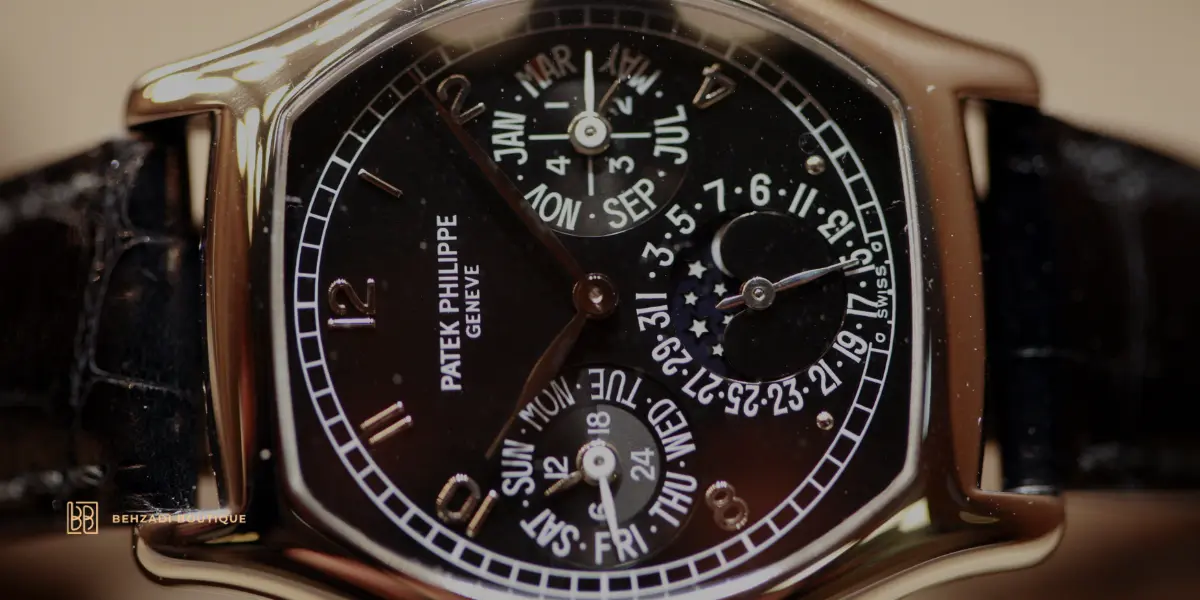
| Grand Complications Ref. 5270 | <500 | 200,000+ | Perpetual calendar chronograph |
| World Time Ref. 5230 | ~2,000 | 50,000 | Multiple time zones display |
Comparison with Other Luxury Brands
Versus Rolex, which outputs over a million watches yearly, Patek’s limited scale shines. Rolex focuses on volume with reliability, while Patek emphasizes bespoke complexity. Audemars Piguet, producing around 50,000, is closer but lacks Patek’s grand complications depth. Patek Philippe Watches Limited Production by design outpaces Vacheron Constantin in exclusivity, with the latter at 30,000 units. This comparison highlights Patek’s niche: ultra-high-end with unmatched heritage. Brands like Richard Mille produce even fewer, but at astronomical prices, targeting a different clientele.
Tip: When comparing, factor in resale values; Patek often appreciates more due to scarcity.
Limited Edition Models Spotlight
Limited editions amplify Patek Philippe Watches Limited Production appeal. Releases like the Ref. 6007A-001, celebrating the new manufacture, were capped at 1,000 units. These often feature unique dials or materials, like steel cases uncommon for Patek. Values skyrocket post-release, with auction records breaking frequently. Patek Philippe Watches Limited Production by design makes these coveted, blending history with novelty.
Iconic limiteds include the 175th Anniversary collection, with pieces like the Ref. 5975 multi-scale chronograph in 100 units. Current values exceed $300,000. The Tiffany & Co. co-signed Nautilus fetched millions at auction. Patek Philippe Watches Limited Production ensures such releases retain hype. Another: the Ref. 5711/1P platinum, limited to 170 for the 170th anniversary, now trading at premiums.
Price Trends Over Time
Price trends show steady climbs. In 2010, a steel Nautilus retailed at $25,000; now, secondary market hits $100,000. Complications rose 20% annually. Patek Philippe Watches Limited Production stabilizes this, avoiding dumps. Inflation-adjusted, entry models increased 50% in a decade. Future trends point upward with emerging markets.
ALSO READ: Audemars Piguet Buying Guide for 2026: What Collectors Should KnowPatek Philippe Watches Limited Production isn’t just a buzzword; it’s the backbone of the brand’s enduring success. While some might see it as elitist, it’s what keeps the watches special. In a world of fast fashion, Patek stands for permanence. Collectors know this, and that’s why the wait is worth it. One small note: the manufature process is so detailed, it’s almost magical. But really, it’s all about the craftsmenship.